Sometimes people say political parties in the U.S. are both corrupt, that it doesn't matter who is in power, that industry holds sway over our politics and our health regardless. Nothing could be more mistaken.
Just now, The New York Times exposed how many Americans -- at least 3.3 million people going about their everyday lives -- have been harmed because Trump personally intervened on behalf of industry, which has donated billions to his campaigns, at his own request. Read about how many people across the country now live in ever-greater exposures to benzene, ethylene oxide, and many other pollutants linked to cancer, endocrine disruption, and many other health effects at this gift link: https://www.nytimes.com/2026/10/24/climate/trump-epa-chemical-air-pollution.html?unlocked_article_code=1.LFE.MKrV.crKU2tBfZLyA&smid=url-share
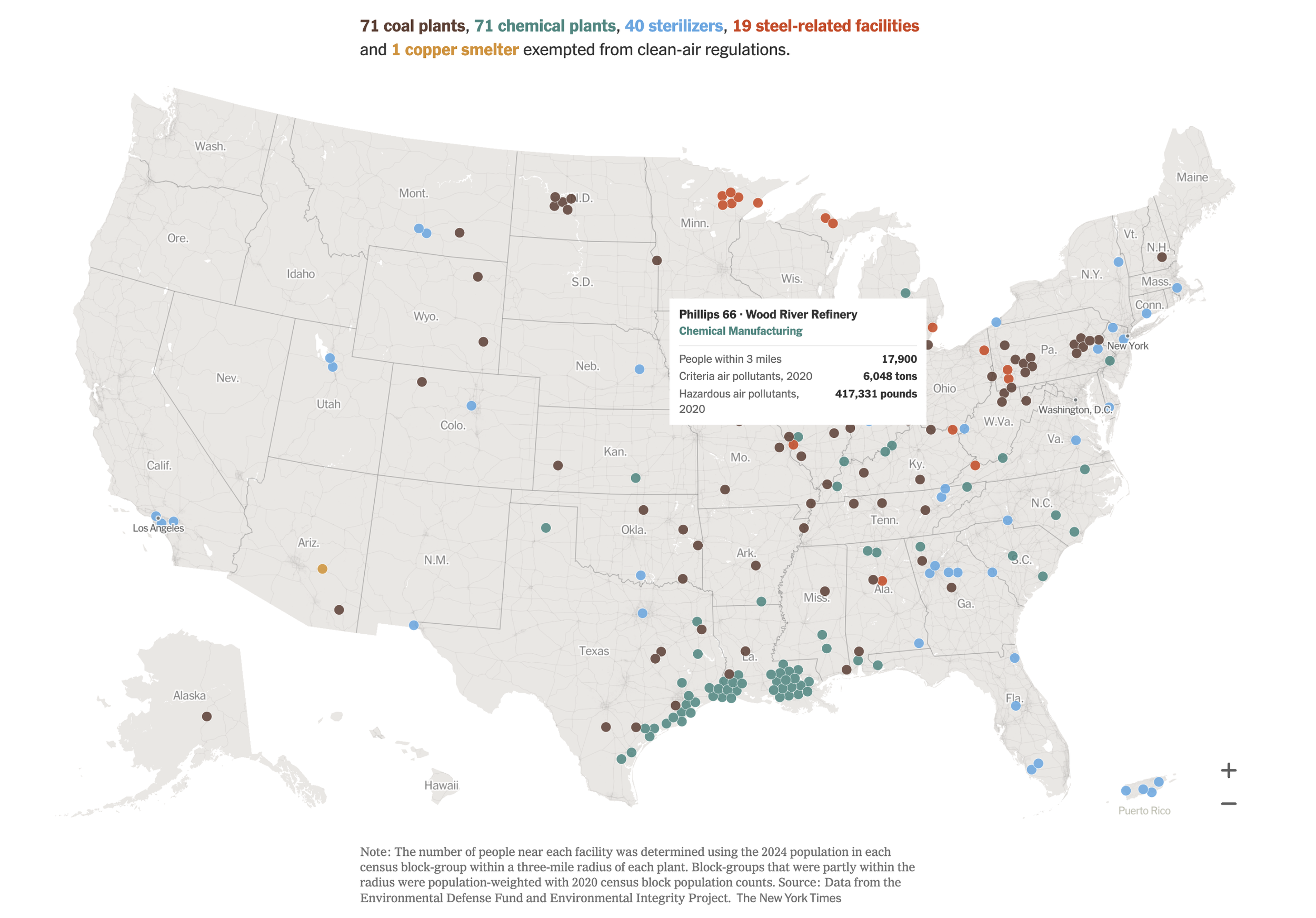
The map of pollution is appalling, just like the similarly appalling map of data centers consuming precious land, spewing toxic air pollution, contaminating soil, water, and aquifers, stunning residents with their dinning noise and hideous spectacle, often behind their backs and against their wills. Trump has said he loves AI data centers as well and is pushing for a huge build-out. The map below is interactive, and you can learn much, much more from Erin Brockovich herself at https://www.brockovichdatacenter.com/
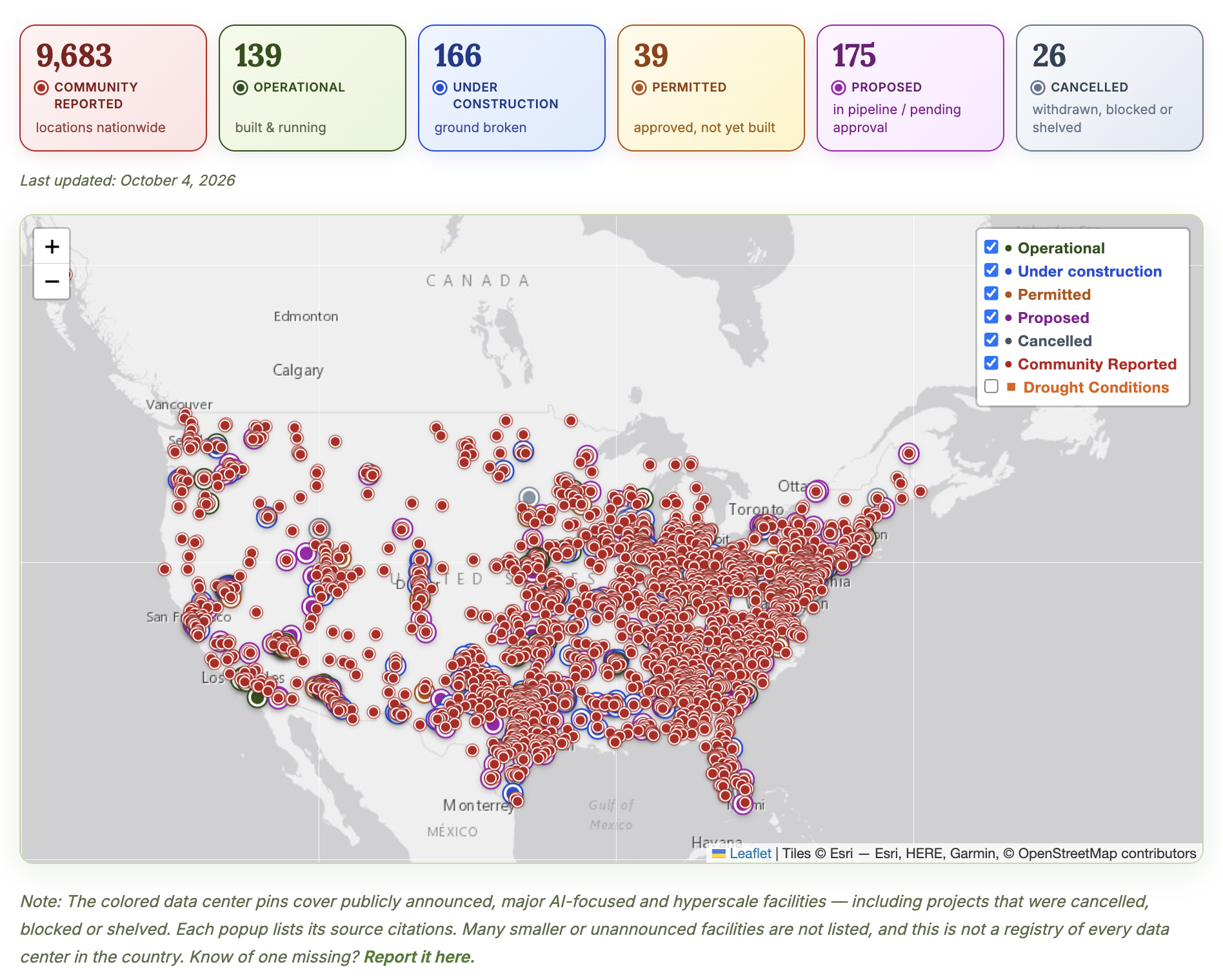
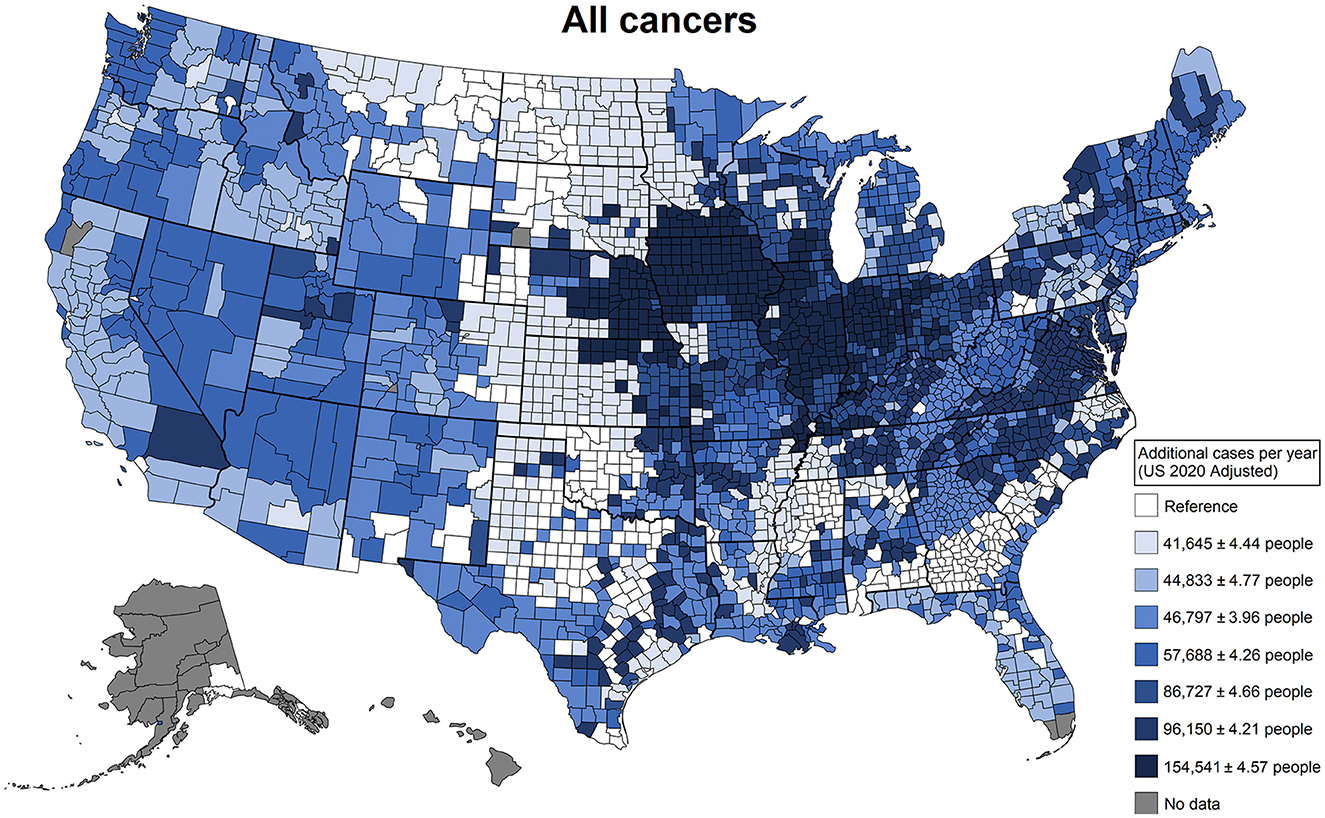
These maps show what many of us see daily -- the entire familiar natural world, destroyed and desolate before our eyes.
And that is only a couple of sets of actions, executed by Trump himself.
In August 2025, around conference tables in the subterranean depths of the blocky EPA building in DC, I sat across from a whole row of Trump appointees, almost every one of whom had lobbied for, represented in court, or worked for the petrochemical industry writ large. They included Lynn Dekleva, who worked at DuPont for 30 years; Kyle Kunkler, a pro-pesticide farm industry lobbyist, and Deputy Administrator David Fotouhi, a lawyer for polluting industries. All three of these characters from central casting -- for corporate villains from Erin Brockovich or Dark Waters -- make decisions about how many chemicals our children are exposed to: the number now is an estimated 350,000 and rising. And that doesn't include Administrator Lee Zeldin, who, at his master's bidding, has done nothing but dismantle the few protections from toxic chemicals and climate change our children had.
I highly recommend the non-partisan Children's Environmental Health Network, and particularly their guide to voting to protect children from their gravest health risks. I could not agree more with their motto that "all children deserve not just resilient communities, but THRIVING communities." But to do that, we must also rid our leadership of those working to promulgate polluters while polluting our progeny.

Or you can take it from someone who has lost her precious, irreplaceable, first-born child and repeatedly looked into the faces of those responsible -- representatives of the petrochemical industry who don't care how many children must die so that they can live in ever more bodily comfort, even while what remains of their souls wallows in the squalid mires of their consciences. The emperor has no clothes, and his many chosen emissaries are slaughterous minions.
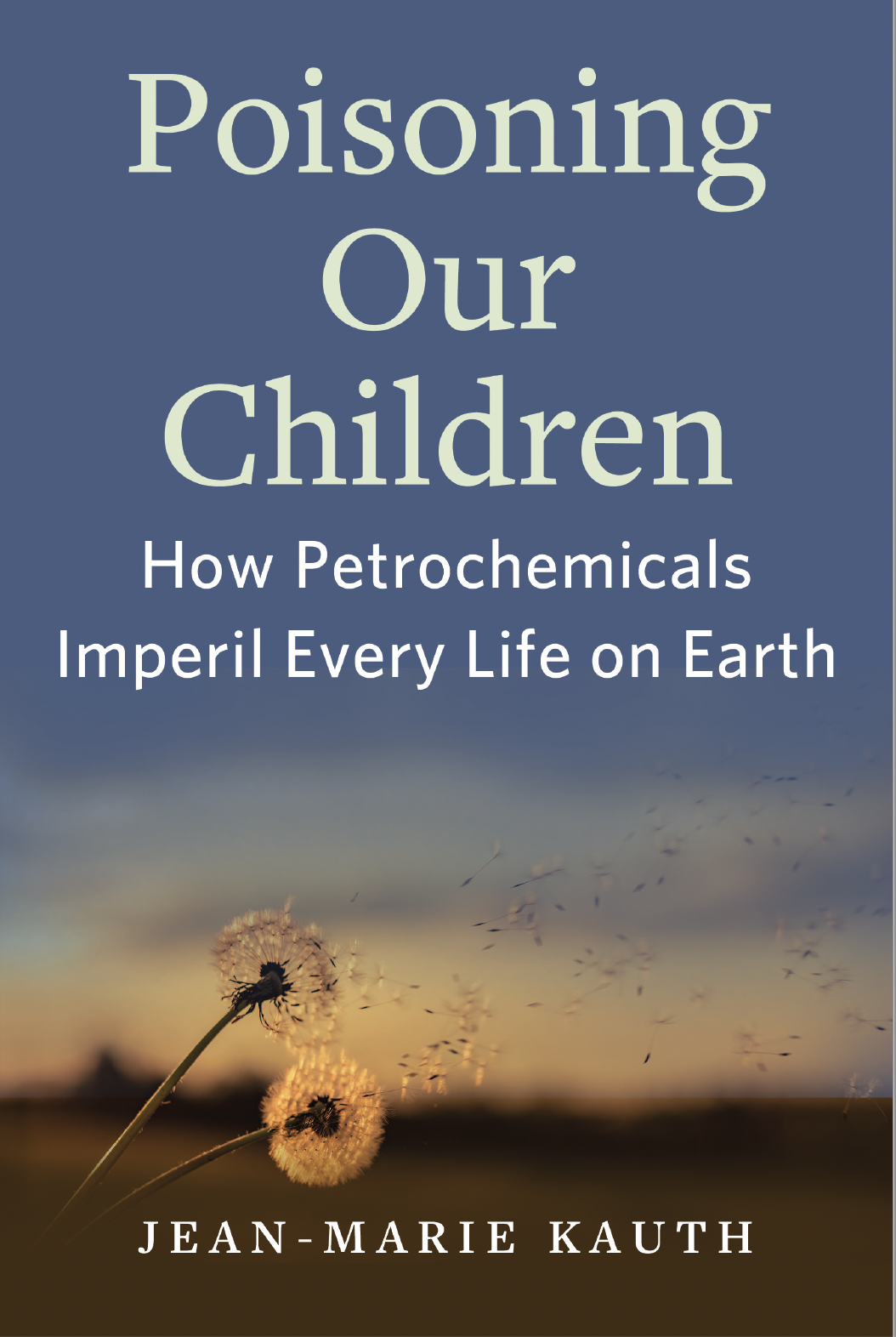
The book I have worked towards for more than 20 years, Poisoning Our Children, is now available for pre-order at https://www.press.jhu.edu/books/title/54124/poisoning-our-children
Pre-orders are hugely important, as they affect whether bookstores stock the book, how algorithms surface it, and how seriously publishers take authors. Your support matters more than you know. All author proceeds will be donated to Environmental Health non-profits.